The Art of Wine Marketing in the Age of AI: Personalization, Predictive Analytics, and Storytelling for 2026
As we navigate through 2026, the wine industry is embracing transformative technologies. The fusion of traditional winemaking artistry with cutting-edge artificial intelligence is reshaping how wineries connect with their audience. This blog post delves into the exciting realm of AI wine marketing 2026, exploring how personalized experiences, predictive analytics, and authentic storytelling are creating deeper connections with wine consumers.
The Art of Wine Marketing in the Age of AI: Personalization, Predictive Analytics, and Storytelling for 2026
As we navigate through 2026, the wine industry continues to embrace transformative technologies. The fusion of traditional winemaking artistry with cutting-edge artificial intelligence is reshaping how wineries connect with their audience. This blog post delves into the exciting realm of AI wine marketing 2026, exploring how personalized experiences, predictive analytics, and compelling storytelling are becoming indispensable tools for success in the competitive global market.
For additional insights into related topics, consider The Art of the Winemaker's Notebook, which explores the craft, philosophy, and legacy of 2026's visionaries.
The Dawn of Personalized Experiences in AI Wine Marketing 2026
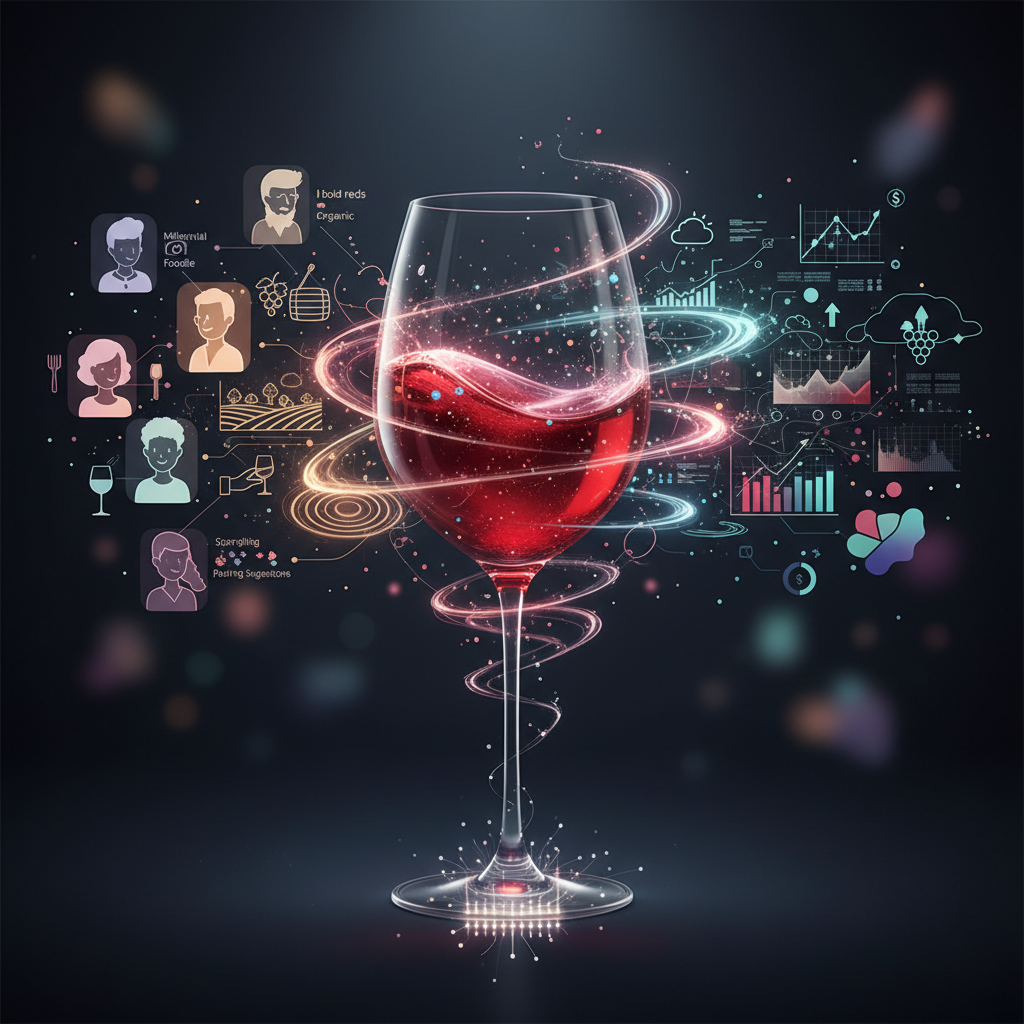
The days of one-size-fits-all marketing are long gone. In 2026, consumers expect bespoke interactions, and AI is the key to unlocking this level of personalization within the wine sector. AI algorithms can analyze vast datasets of consumer behavior, purchasing history, and preferences to segment audiences with unparalleled precision.
Imagine a customer receiving a recommendation for a specific vintage based on their past purchases, their preferred flavor profiles, and even their geographic location. This isn't science fiction; it's the reality of AI wine marketing 2026. By understanding individual tastes, wineries can tailor product suggestions, marketing messages, and exclusive offers, fostering deeper customer loyalty.
Leveraging AI for Hyper-Targeted Recommendations
- Taste Profile Analysis: AI systems can process tasting notes, user reviews, and expert ratings to build detailed taste profiles for individual customers. This allows for recommendations that truly resonate with their palate. For a deeper dive into perception, explore The Quantum Palate: Deconstructing the Science of Flavor Perception in Wine for 2026.
- Purchase History & Engagement Tracking: Analyzing past purchases, website browsing behavior, and email engagement helps AI understand preferences for varietals, regions, price points, and even bottle sizes.
- Demographic and Psychographic Segmentation: Beyond basic demographics, AI can identify psychographic traits, such as an inclination towards sustainable practices or a preference for limited-edition releases, enabling more sophisticated targeting.
Predictive Analytics: Anticipating Consumer Needs with AI Wine Marketing 2026
One of the most powerful applications of AI in marketing is its ability to predict future trends and consumer behavior. For the wine industry in 2026, predictive analytics is revolutionizing inventory management, sales forecasting, and campaign planning. Wineries can anticipate demand, optimize production, and ensure their most sought-after wines are available when and where consumers want them.
Consider a scenario where AI predicts a surge in demand for rosé wines in a specific region during the upcoming summer months. Wineries can use this insight to adjust production, prioritize distribution channels, and launch targeted marketing campaigns well in advance. This proactive approach minimizes wastage and maximizes sales potential, making predictive analytics a cornerstone of effective AI wine marketing 2026 strategies.
Optimizing Inventory and Supply Chain
Accurate demand forecasting, powered by AI, helps wineries avoid overstocking or understocking. This reduces operational costs and ensures a fresh product reaches the consumer, enhancing their overall experience. AI can also analyze seasonal trends, holiday impacts, and even weather patterns to fine-tune predictions.
Forecasting Market Trends and Consumer Behavior
Beyond individual purchases, AI can analyze broader market data, social media sentiment, and economic indicators to identify emerging trends. Wineries can then adapt their product development and marketing strategies to capitalize on these shifts, staying ahead of the curve in 2026. For example, considering a global shift towards sustainability, reading articles like this Australian Wine Industry's Sustainability Initiative can provide valuable insights into consumer preferences and industry direction.
Storytelling Elevated: Crafting Narratives with AI Assistance
The romance and heritage associated with wine make storytelling an integral part of its appeal. In 2026, AI isn't replacing human creativity but enhancing it, providing new tools for wineries to craft compelling narratives. AI can analyze successful storytelling elements, identify emotional triggers, and even assist in generating creative content that resonates with specific audience segments.
Imagine using AI to scour historical archives and regional folklore, unearthing unique stories about a vineyard or a specific vintage. This data can then be creatively woven into marketing copy, video scripts, or interactive digital experiences. AI can also help in A/B testing different narrative approaches, optimizing for engagement and emotional connection, thereby refining AI wine marketing 2026 efforts. The narrative around a wine's origin is incredibly powerful; delve into The Art of the Wine Label: Deconstructing Narrative, Design, and Collectibility in 2026 for more on this.
AI in Content Creation and Distribution
- Audience-Specific Story Generation: AI can help tailor stories to different audience segments, emphasizing aspects that are most relevant to their interests, whether it's sustainable practices, family heritage, or unique terroir.
- Optimizing Story Distribution: AI algorithms can identify the best channels and times to distribute content, ensuring maximum reach and engagement for each unique story.
- Interactive Experiences: AI-powered chatbots and virtual assistants can offer personalized tours of vineyards or explain wine characteristics, creating immersive storytelling experiences. The potential for these experiences is highlighted by companies like IBM's AI applications in winemaking, which demonstrate AI's growing role in the industry.
The Ethical Considerations and Future of AI Wine Marketing 2026
While the opportunities presented by AI wine marketing 2026 are immense, it's crucial to address the ethical considerations that arise with increased data collection and personalization. Transparency in data usage and ensuring consumer privacy are paramount. Wineries must build trust with their audience by clearly communicating how their data is being used to enhance their wine experience.
Looking ahead, the integration of AI will only deepen. We can expect even more sophisticated predictive models, enhanced virtual and augmented reality experiences for virtual tastings, and AI-driven sommelier recommendations that adapt in real-time. The future of AI wine marketing 2026 and beyond promises a more personalized, efficient, and engaging journey for every wine enthusiast.
Maintaining Trust through Data Privacy
With regulations like GDPR and CCPA setting precedents, wineries must prioritize data security and transparent data handling practices. Clearly communicated privacy policies and opt-in/opt-out options are essential for maintaining consumer trust in the context of AI wine marketing 2026.
The Evolving Role of the Human Touch
While AI offers powerful analytical and creative tools, the human element remains irreplaceable. Winemakers, sommeliers, and marketing professionals will continue to provide the passion, expertise, and nuanced understanding that define the heart of the wine industry. AI will serve as an invaluable partner, augmenting their capabilities rather than replacing them. Consider the psychological nuances discussed in The Art of the Sommelier's Psychology: Decoding Expectation and Perception in Wine Service 2026.
Implementing a Robust AI Wine Marketing Strategy in 2026
For wineries looking to thrive in the current landscape, embracing AI wine marketing 2026 is not an option but a necessity. Starting with small, manageable AI projects and gradually expanding capabilities can yield significant returns. The key is to integrate AI into existing marketing frameworks, leveraging it to enhance efficiency, personalize customer journeys, and ultimately drive sales.
From understanding consumer preferences to forecasting market shifts, AI offers a competitive edge. The ongoing evolution of AI will continue to shape how wine is produced, marketed, and enjoyed, making continuous learning and adaptation crucial for success.
Written by
Juniper Thorne is an experienced writer and educator with a deep passion for the world of wine. Bringing expertise in sensory analysis and wine culture to the Greatest Wine platform, Juniper helps readers explore and appreciate every nuance of wine.